
The complete guide
What to expect from an ultrasonic bird deterrent
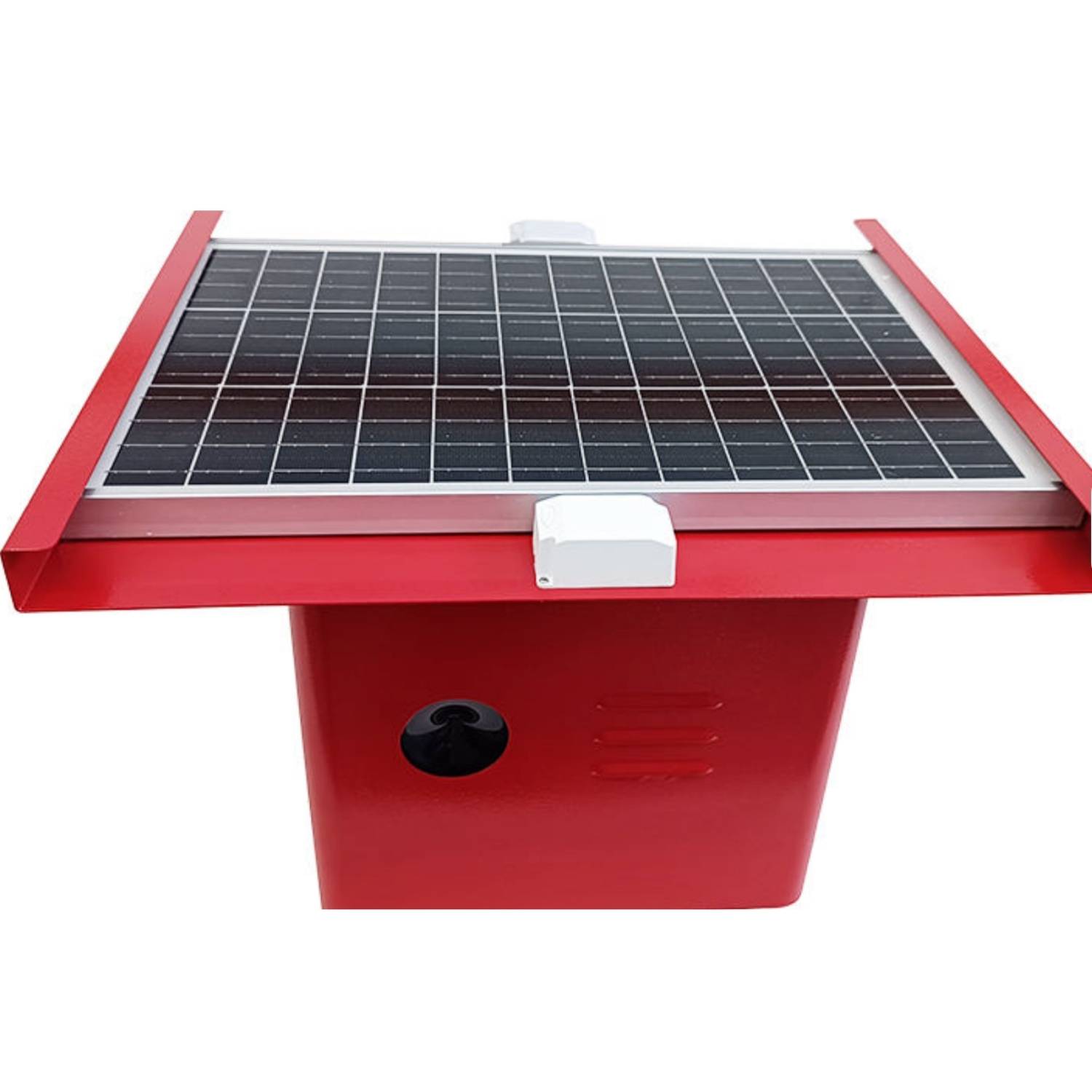
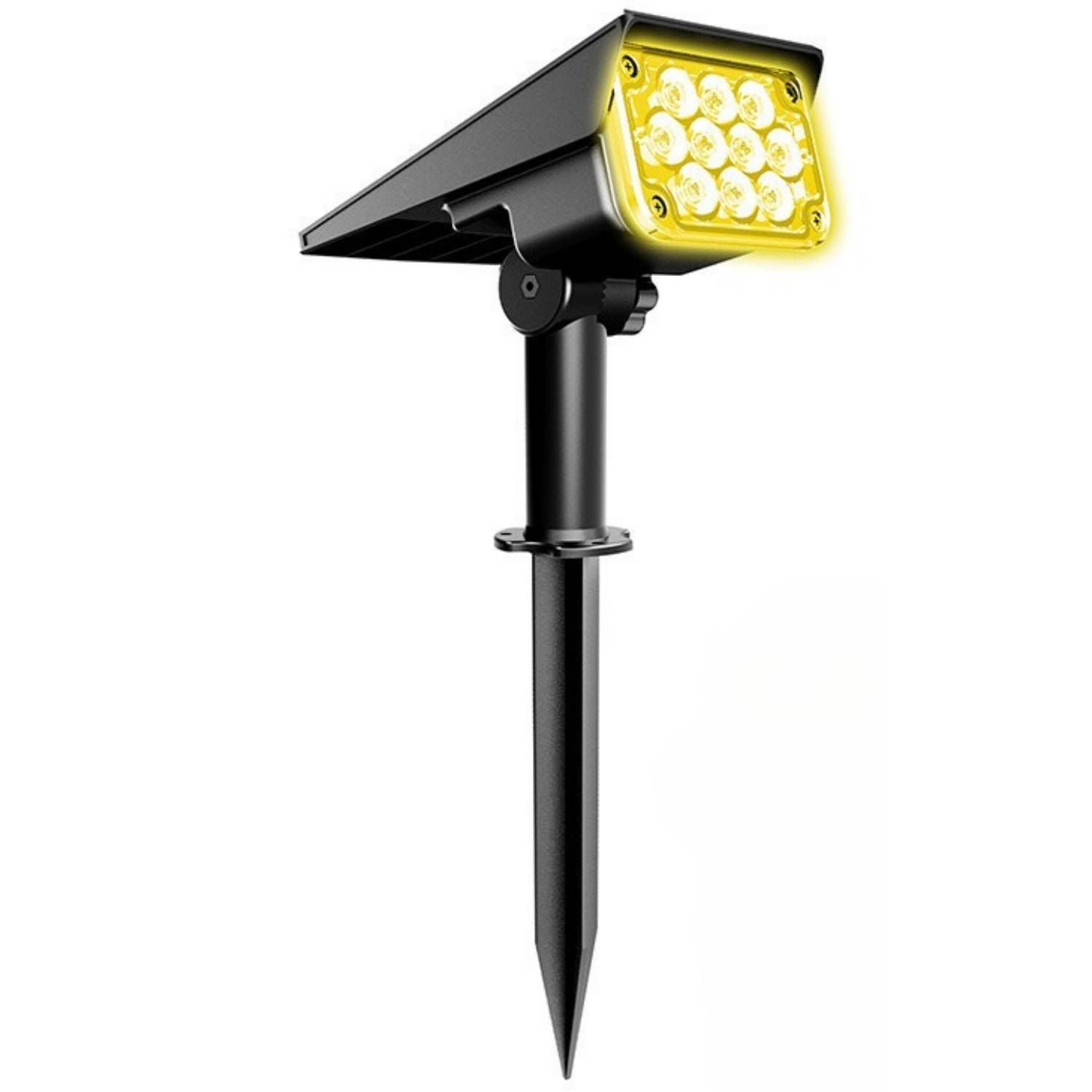
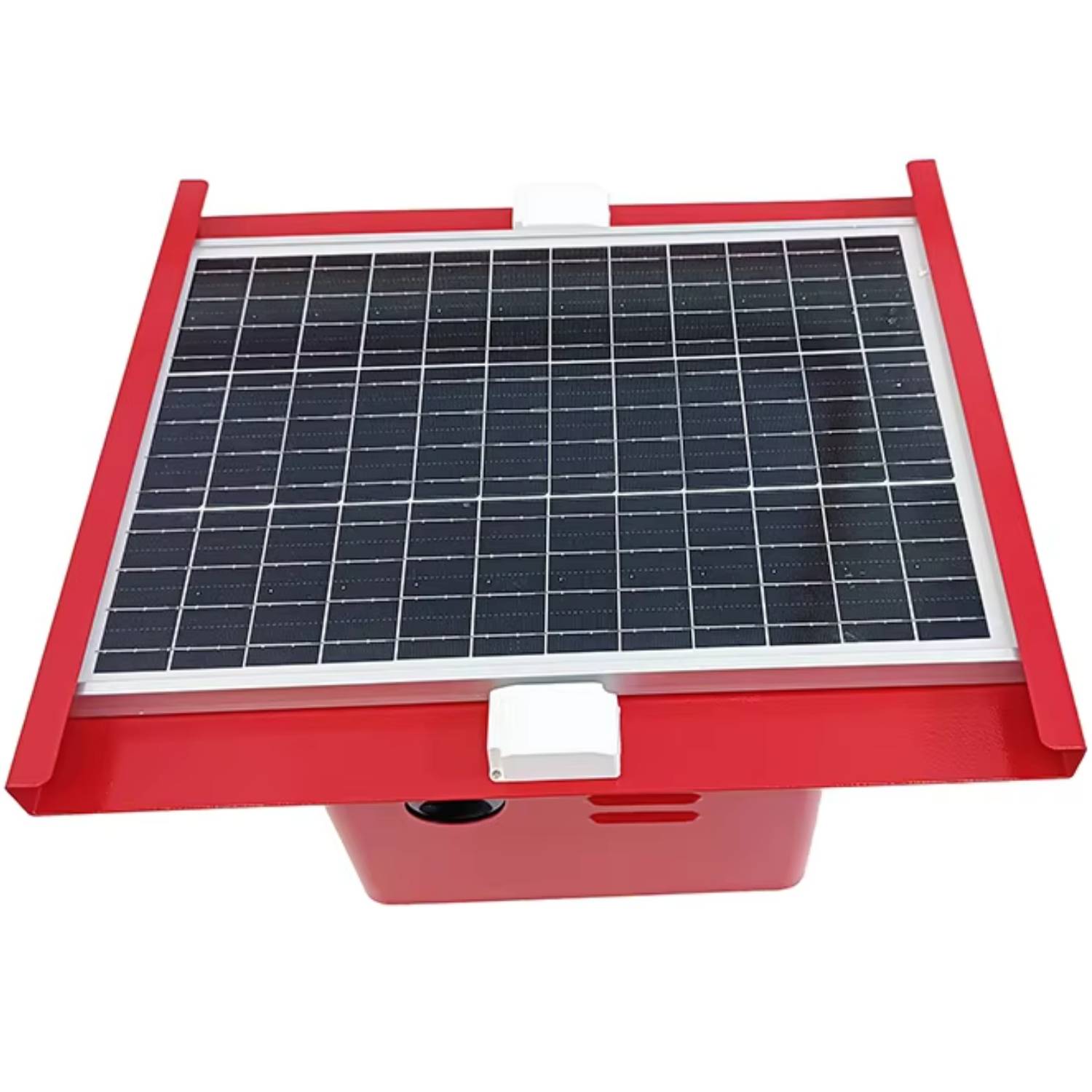
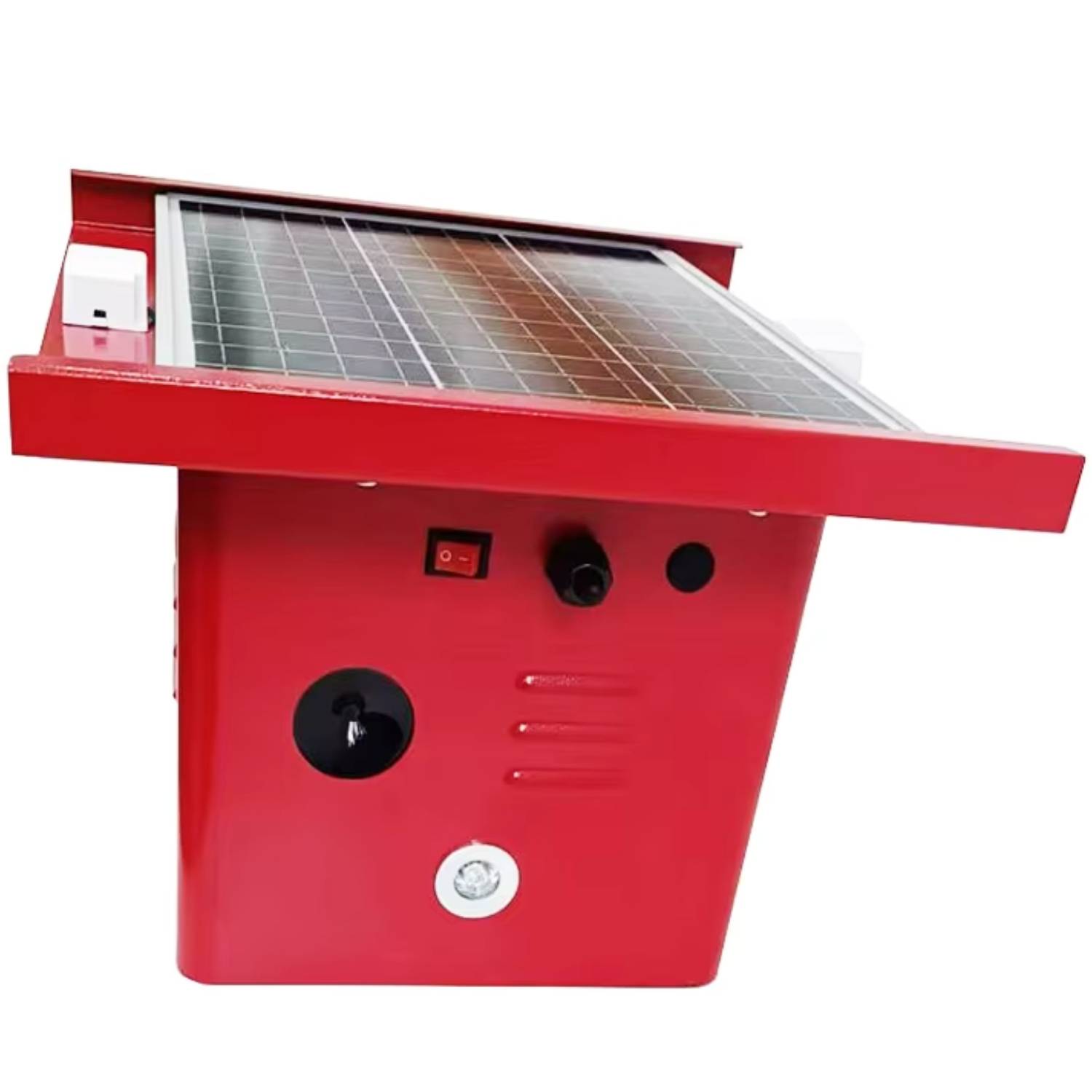
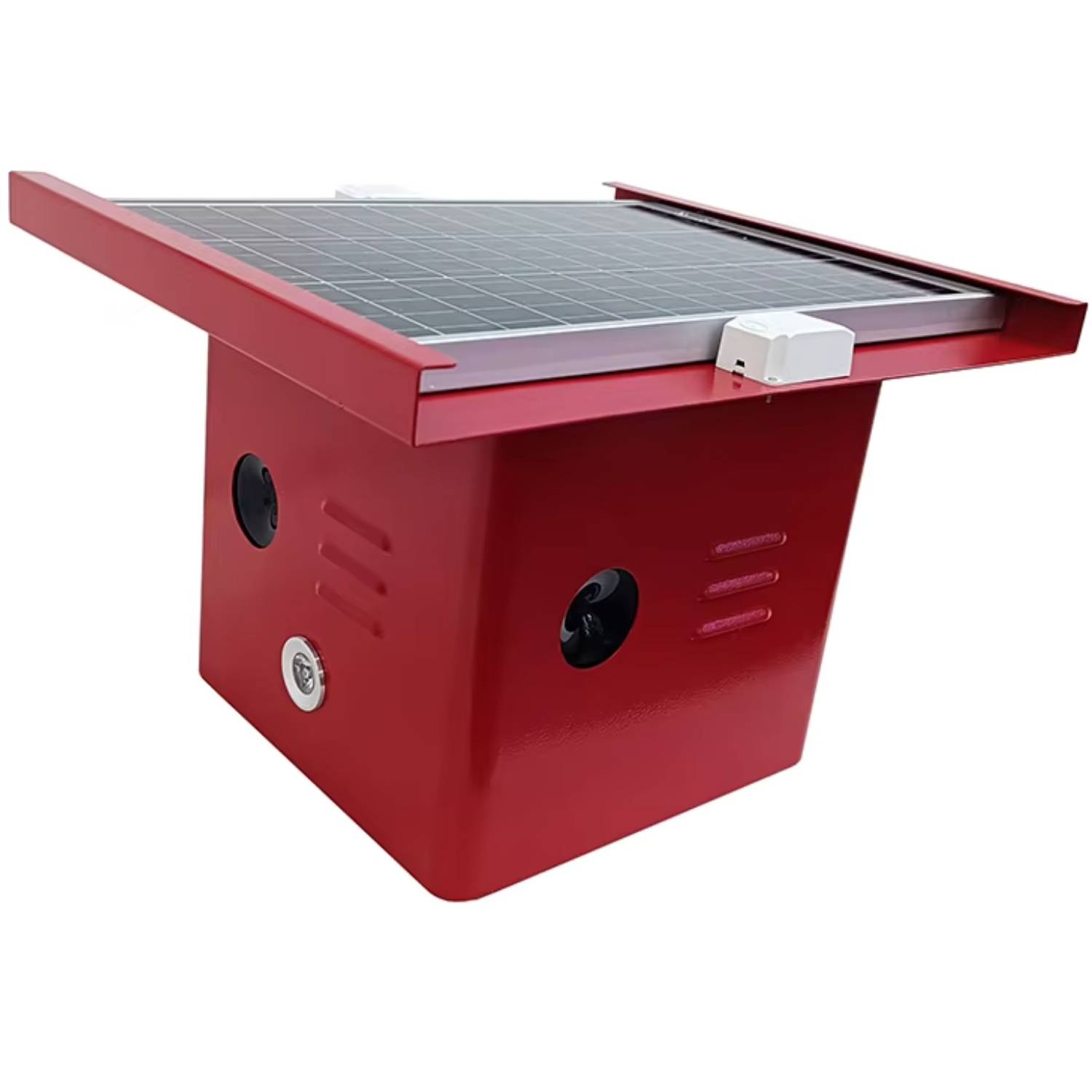
Solar Powered Ultrasonic Bird Repellent - Weatherproof Pigeon Deterrent
Motion activated bird control device using high frequency sound waves. Ideal for patios, gardens, balconies, & outdoor spaces. Works good as part of a comprehensive bird management strategy.
Smart Motion Detection for Fast Animal Control
Using advanced radar motion detection and ultrasonic technology, this repeller quickly senses pigeon movement and immediately activates deterrent signals.
The powerful ultrasonic waves help drive away common intruders such as squirrels, chipmunks, raccoons, deer, cats, dogs, and rabbits before they can damage your property.
Powerful Outdoor Pigeon Repeller
Protect your garden, yard, farm, or property from unwanted pigeons using advanced ultrasonic sound and flashing strobe lights. This repeller helps deter common intruders like deer, raccoons, squirrels, rabbits, skunks, cats, and dogs. Adjustable settings allow you to customize the protection based on the types of animals in your area.Multi-Layer Animal Deterrent System
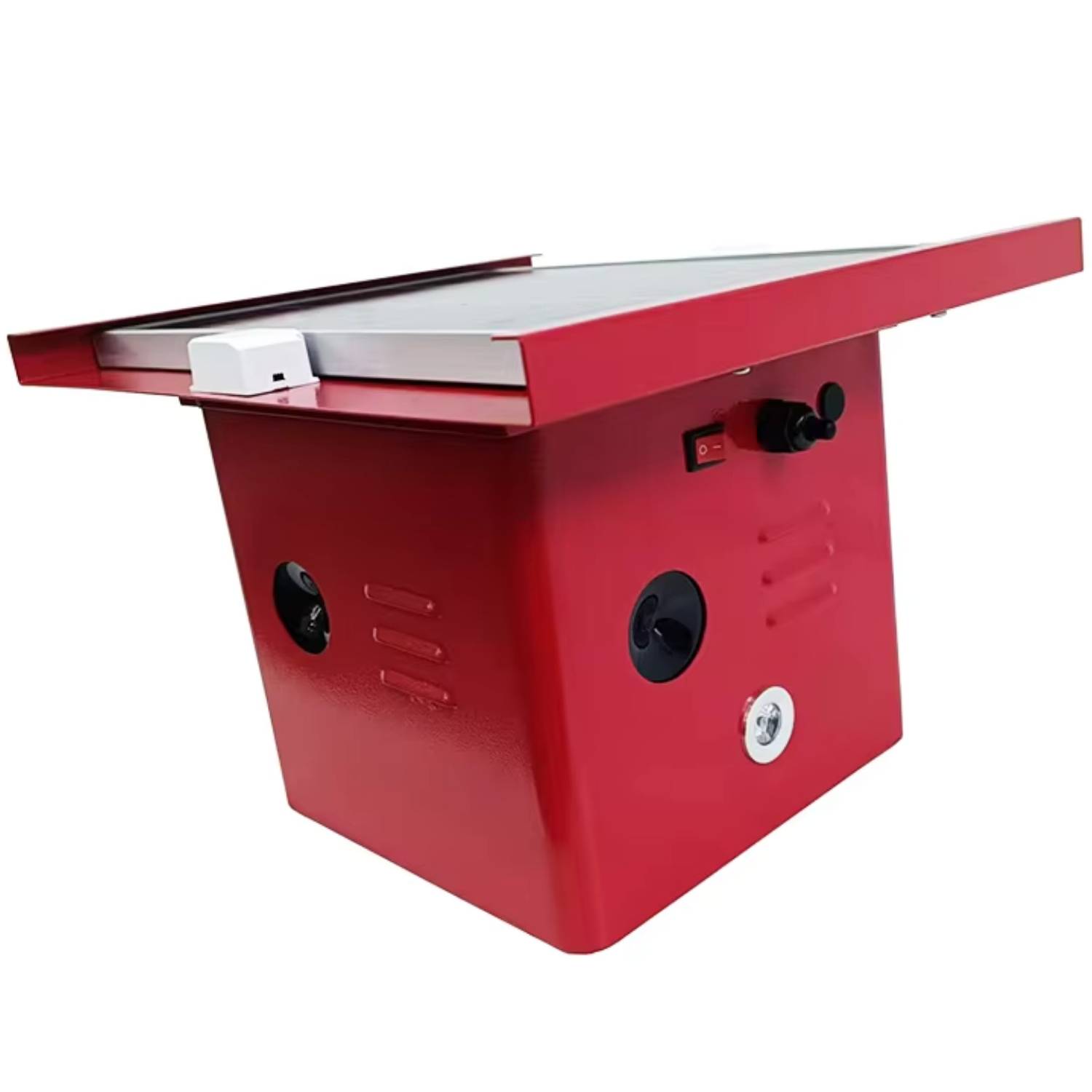
Choose from multiple operating modes for effective coverage. Activate motion detection for automatic response, continuous operation for constant protection, or cycle through frequencies to target different animals. A nighttime strobe helps discourage nocturnal visitors such as raccoons, skunks, and cats, while the optional predator sound adds extra deterrence for birds, pigeons, rabbits, squirrels, and rodents.Flexible Mounting for Targeted Protection
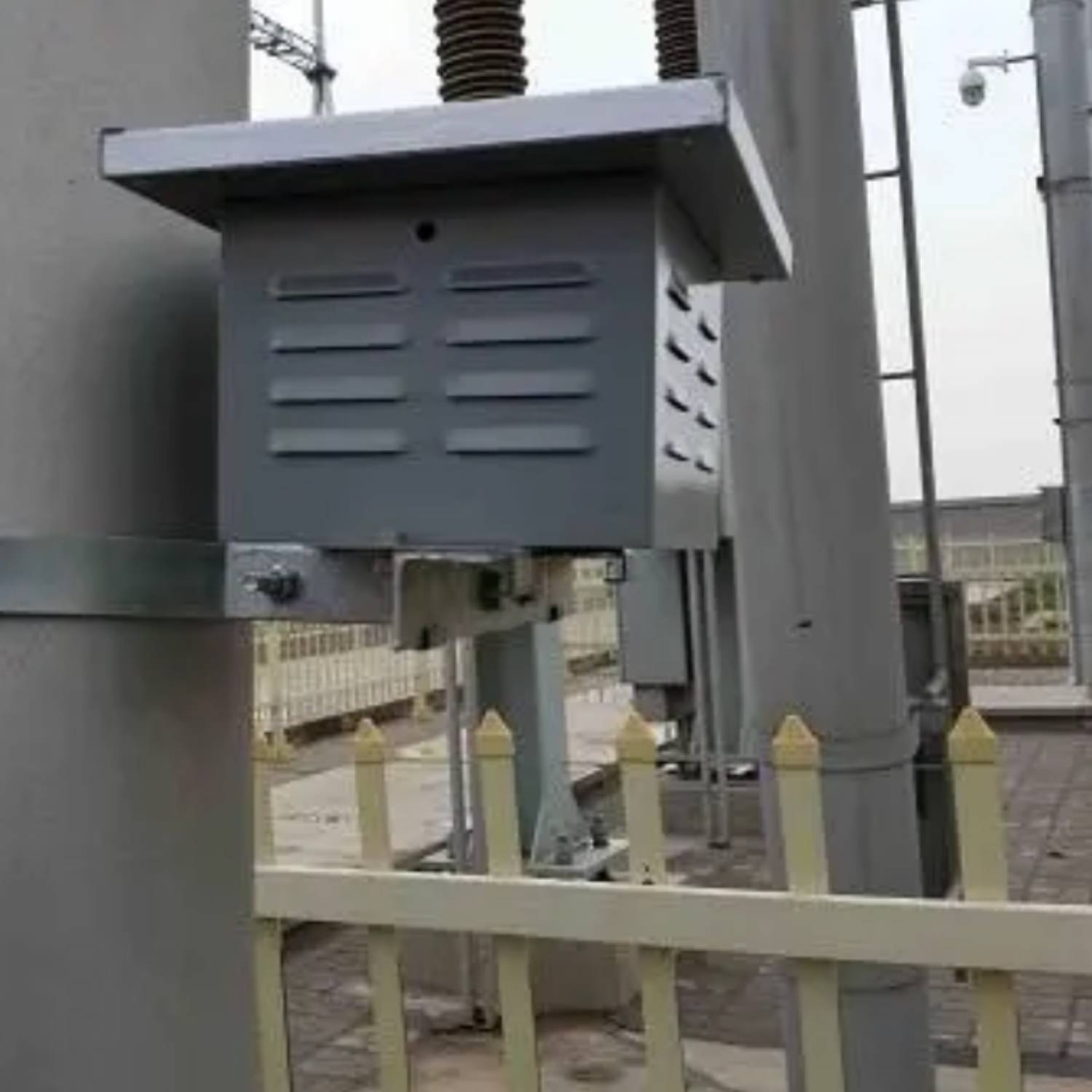
Mount the repeller on fences, trees, sheds, decks, or eaves so you can place protection exactly where animals enter or nest, not just at ground level.Weather Resistant Outdoor Design
A sealed back cover protects the controls from harsh weather conditions. The angled housing helps minimize direct rain exposure while maintaining wide-angle motion detection and effective sound projection.Ultrasonic Bird Deterrent Guide: Everything About Ultrasonic Pigeon Repellent Devices
Ultrasonic bird deterrent devices represent modern technological approaches to the age-old challenge of controlling pest bird populations around homes, buildings, and agricultural areas. These electronic devices claim to repel pigeons, sparrows, starlings, and other nuisance birds by emitting high-frequency sounds beyond normal human hearing range that birds supposedly find uncomfortable or threatening, causing them to avoid treated areas without physical barriers, harmful chemicals, or lethal methods that raise ethical and practical concerns in urban and suburban environments.
Understanding how ultrasonic bird repellent technology works, what scientific research reveals about effectiveness, proper installation and use strategies, realistic expectations about results, and how these devices compare to alternative bird control methods helps you make informed decisions about whether ultrasonic deterrents suit your specific bird problems and circumstances. While manufacturers promote ultrasonic devices as humane, safe, and effective solutions, the reality proves more nuanced with effectiveness varying significantly based on bird species, environmental conditions, device quality, and proper application requiring balanced evaluation before investment.
Understanding Ultrasonic Bird Deterrent Technology
Ultrasonic bird deterrents generate sound frequencies typically above 20,000 Hz, exceeding the upper limit of normal human hearing which ranges from approximately 20 Hz to 20,000 Hz. The theory suggests that birds perceive these high-frequency sounds as unpleasant, threatening, or disorienting, triggering avoidance behaviors causing them to leave treated areas and avoid returning. The technology appeals to property owners seeking bird control without visible devices, chemicals, or methods harming birds physically.
The devices use electronic circuits or speakers producing ultrasonic frequencies at various intensities, patterns, and durations. Some units emit continuous ultrasonic output while others use intermittent bursts, variable frequency sweeps, or randomized patterns manufacturers claim prevent birds from habituating to consistent sounds. Power sources include electrical outlets, solar panels, or batteries depending on device design and intended application.
The Science of Bird Hearing
Bird hearing capabilities vary among species but generally birds hear frequencies ranging from approximately 1,000 Hz to 8,000 Hz, with sensitivity peaking in ranges important for communication, predator detection, and environmental awareness. While birds can detect some frequencies above their optimal range, their sensitivity decreases at higher frequencies suggesting ultrasonic sounds may not affect birds as intensely as manufacturers sometimes claim.
Research into bird auditory systems indicates most pest bird species including pigeons, sparrows, and starlings have hearing ranges not extending as far into ultrasonic frequencies as devices emit, raising questions about whether birds actually perceive ultrasonic deterrent sounds at intensities causing genuine discomfort or avoidance rather than minimal detection barely registering behaviorally.
Claimed Mechanisms of Action
Manufacturers claim ultrasonic deterrents work through several mechanisms including creating uncomfortable auditory environments birds avoid, simulating predator or danger signals triggering flight responses, disrupting bird communication or navigation through auditory interference, or causing general stress or disorientation making areas less attractive for roosting, nesting, or feeding.
Types of Ultrasonic Bird Repellent Devices
Ultrasonic bird control devices vary in design, features, and intended applications.
Continuous Emission Devices
Basic ultrasonic devices emit constant high-frequency sounds creating continuous coverage in protected areas. These straightforward units use simple electronics producing steady ultrasonic output without pattern variation or advanced features. The continuous approach theoretically provides uninterrupted deterrence though may contribute to habituation if birds adapt to constant unchanging stimuli.
Variable Frequency and Pattern Systems
Advanced units vary ultrasonic frequencies, intensities, or emission patterns preventing birds from habituating to consistent sounds. These devices sweep through frequency ranges, alternate between different ultrasonic tones, or use randomized emission schedules creating unpredictable auditory environments manufacturers claim maintain deterrent effectiveness longer than simple continuous devices.
Motion-Activated Ultrasonic Deterrents
Motion-sensing devices activate only when detecting movement, conserving power while targeting responses to actual bird presence. The intermittent activation may reduce habituation risks compared to continuous operation while the sudden ultrasonic bursts potentially create stronger startle responses than constant background sounds birds might learn to ignore.
Solar-Powered Outdoor Units
Solar-powered deterrents suit outdoor applications where electrical access proves impractical. These weatherproof units use solar panels charging batteries powering ultrasonic speakers, enabling installation anywhere receiving adequate sunlight without wiring or outlet requirements limiting placement options.
Combination Multi-Sensory Devices
Some devices combine ultrasonic sound with other deterrent methods including flashing lights, audible alarm sounds, or physical movement creating multi-sensory deterrence. The combination approach theoretically provides more comprehensive bird control than ultrasonic sound alone, though adding complexity and potential maintenance requirements.
Indoor Versus Outdoor Models
Indoor ultrasonic devices designed for warehouses, barns, or enclosed spaces use speakers projecting ultrasonic coverage throughout interior volumes. Outdoor models feature weatherproof construction and often higher power outputs attempting to cover larger exterior areas despite sound dissipation in open environments.
Effectiveness and Scientific Evidence
The effectiveness of ultrasonic bird deterrents remains controversial with scientific research producing mixed results conflicting with some manufacturer claims.
Research Findings
Independent scientific studies evaluating ultrasonic bird deterrents generally show limited effectiveness or complete ineffectiveness for most applications and bird species. Peer-reviewed research consistently demonstrates that ultrasonic devices produce minimal to no measurable reduction in bird presence or activity compared to untreated control areas, with any initial avoidance behaviors typically disappearing within days as birds habituate to sounds.
The limited effectiveness reflects fundamental issues including bird hearing ranges not extending sufficiently into ultrasonic frequencies for strong perception, ultrasonic sound dissipating rapidly in open air limiting effective range dramatically below manufacturer claims, and birds quickly habituating to non-threatening stimuli that do not actually harm them regardless of initial novelty.
Species-Specific Responses
Even among studies showing any deterrent effects, results vary dramatically between bird species with some showing brief initial avoidance while others demonstrate no response whatsoever. Pigeons, one of the most common target species, generally show minimal response to ultrasonic deterrents in scientific testing despite being primary marketing targets for these devices.
Manufacturer Claims Versus Reality
Manufacturer marketing often claims high effectiveness rates and broad coverage areas that independent testing fails to verify. The disconnect between promotional materials and scientific evidence creates unrealistic expectations leading to customer disappointment when devices fail to deliver promised results against persistent bird problems.
Habituation Challenges
Even when ultrasonic devices initially cause some bird avoidance, habituation typically occurs rapidly as birds learn sounds pose no actual threat. Within days or weeks, birds often return to treated areas ignoring ultrasonic emissions as irrelevant background noise rather than genuine danger signals warranting continued avoidance.
Proper Installation and Placement
When using ultrasonic deterrents despite effectiveness concerns, proper installation maximizes any potential benefits devices might provide.
Coverage Area Considerations
Ultrasonic sound dissipates quickly in open air with effective range typically far less than manufacturer specifications suggest. Position devices close to problem areas rather than expecting single units to protect large territories. Multiple devices may be necessary for comprehensive coverage even of modest areas.
Line-of-Sight Requirements
Ultrasonic sound does not penetrate solid obstacles effectively. Position speakers with clear line-of-sight to areas requiring protection, avoiding obstructions including walls, vegetation, or structures blocking sound paths and creating shadows where birds can roost undeterred.
Height and Angle Positioning
Mount devices at appropriate heights and angles directing ultrasonic output toward areas where birds perch, roost, or nest. Positioning too high, too low, or angled incorrectly wastes output in irrelevant directions rather than concentrating coverage where birds actually congregate.
Avoiding Interference
Multiple ultrasonic devices operating simultaneously might create interference patterns reducing effectiveness. Space devices appropriately or use units designed for coordinated operation avoiding sound wave interference that could create dead zones or unexpected acoustic effects.
Power Source Reliability
Ensure consistent power availability whether through reliable electrical connections, adequate solar exposure for solar-powered units, or fresh batteries replaced regularly. Intermittent operation from power failures allows birds to reestablish presence during offline periods potentially negating any benefits from operational periods.
Factors Affecting Performance
Various conditions influence ultrasonic deterrent performance beyond basic device quality.
Environmental Conditions
Weather affects ultrasonic sound propagation with humidity, temperature, and wind influencing how far sound travels and maintains intensity. Extreme weather conditions may reduce effectiveness compared to ideal testing environments manufacturers use for performance specifications.
Background Noise
Urban environments with significant ambient noise might mask ultrasonic output reducing effectiveness. While ultrasonic frequencies exceed normal human hearing, complex acoustic environments can interfere with sound transmission and reception.
Bird Motivation Levels
Birds with strong motivation to remain in areas including established nesting sites, abundant food sources, or secure roosting locations prove far less responsive to ultrasonic deterrents than birds casually exploring new territories. The stronger the attraction, the less likely ultrasonic sounds alone will overcome it.
Device Quality and Maintenance
Quality varies dramatically across ultrasonic deterrent products. Cheap units may produce inconsistent output, fail quickly, or never generate advertised frequencies at claimed intensities. Regular maintenance ensuring speakers remain clean and functional helps maintain whatever performance devices originally provided.
Realistic Expectations and Limitations
Understanding what ultrasonic deterrents realistically can and cannot achieve prevents disappointment and wasted investment.
Not a Complete Solution
Even proponents acknowledge ultrasonic devices work good as components of integrated pest bird management programs rather than standalone complete solutions. Combining ultrasonic deterrents with physical barriers, habitat modification, or other control methods may produce better results than relying on sound alone.
Limited Range Reality
Effective range typically measures in feet rather than the tens or hundreds of feet manufacturers sometimes claim. Expect very localized effects requiring multiple devices for area coverage rather than single units protecting large properties.
Temporary Effects
Any initial bird avoidance typically proves temporary as habituation occurs. Expecting permanent solutions from ultrasonic devices alone sets unrealistic expectations likely leading to disappointment as birds return despite continued device operation.
Species Limitations
Devices marketed for broad effectiveness across multiple bird species likely overstate capabilities. If specific problem species show poor response to ultrasonic deterrents in research, expect similar results regardless of manufacturer claims.
Comparing Ultrasonic to Alternative Methods
Understanding how ultrasonic deterrents compare to other bird control helps determine optimal approaches for specific situations.
Ultrasonic Versus Physical Barriers
Physical barriers including netting, spikes, or screens provide definitive exclusion preventing bird access completely. While less elegant than invisible ultrasonic solutions, physical barriers offer proven effectiveness ultrasonic devices cannot match. The visibility and installation requirements represent trade-offs for designed results.
Ultrasonic Versus Visual Deterrents
Visual deterrents including reflective tape, predator decoys, or motion-activated devices often prove more effective than ultrasonic sounds particularly for species relying heavily on vision. Visual methods face habituation challenges similar to ultrasonic but generally show better initial response rates.
Ultrasonic Versus Audible Sound Deterrents
Audible distress calls, predator sounds, or loud noises often outperform ultrasonic frequencies for bird deterrence. However, audible sounds create noise complaints in residential areas making them impractical where ultrasonic inaudibility appeals. The silence represents ultrasonic devices' primary advantage even if effectiveness suffers.
Ultrasonic Versus Habitat Modification
Removing food sources, eliminating nesting sites, or modifying environments reducing bird attraction provides lasting control addressing root causes rather than symptoms. While requiring more effort than installing ultrasonic devices, habitat modification delivers more reliable long-term results.
Appropriate Applications
Despite general effectiveness concerns, some situations potentially benefit from ultrasonic deterrent attempts.
Indoor Enclosed Spaces
Warehouses, barns, or other enclosed spaces where ultrasonic sound cannot dissipate as readily as outdoors represent the most promising applications. The confined environment maintains sound intensity better than open air potentially increasing effectiveness though habituation remains concerns.
Supplementary Deterrence
Using ultrasonic devices alongside proven methods adds minimal cost or complexity potentially contributing marginal benefits even if standalone effectiveness proves limited. The supplementary role sets appropriate expectations while allowing exploration of any additive effects.
Low-Stakes Situations
Minor bird nuisances where complete elimination is unnecessary and modest reduction would satisfy might accept ultrasonic device trials. When stakes are low and alternatives equally uncertain, experimentation with ultrasonic technology carries minimal risk.
Immediate Temporary Solutions
For very short-term needs where any brief initial avoidance provides value before habituation occurs, ultrasonic devices might offer quick deployment while permanent solutions are developed. The temporary role aligns with devices' apparent capability for initial but not sustained deterrence.
Legal and Ethical Considerations
Bird control involves legal and ethical dimensions worth understanding.
Protected Species
Many bird species enjoy legal protection prohibiting harassment, harm, or killing without permits. Verify that control methods including ultrasonic deterrents comply with wildlife protection laws governing species present in your area. Even non-lethal deterrents may require permits for protected species.
Neighbor Considerations
While ultrasonic frequencies exceed normal human hearing, some individuals particularly children or those with exceptional hearing may perceive high-frequency sounds from deterrent devices. Additionally, pets may hear ultrasonic output creating discomfort. Consider neighbor relationships and pet welfare before deployment.
Humane Treatment Principles
Ethical bird control prioritizes non-lethal methods causing minimal suffering. Ultrasonic deterrents align with humane principles attempting to encourage birds to relocate rather than harming them, though actual effectiveness limitations mean humane intentions may not translate to functional bird management.
Maintenance and Troubleshooting
Proper device maintenance maximizes performance potential while troubleshooting addresses common problems.
Regular Inspection
Periodically verify devices operate correctly by testing indicator lights, checking power supplies, and ensuring speakers remain clean and unobstructed. Malfunctioning units provide no deterrence making failure detection essential for maintaining any protective effects.
Speaker Cleaning
Dust, debris, or weather damage can reduce ultrasonic output. Gently clean speaker surfaces following manufacturer instructions preventing buildup that might block or muffle sound emission.
Battery and Solar Panel Maintenance
For battery or solar-powered units, replace batteries as needed and keep solar panels clean maximizing charging efficiency. Power interruptions eliminate any deterrent effects making reliable power critical for continuous operation.
Adjusting Settings
If devices offer adjustable frequencies, patterns, or intensities, experiment with settings seeking configurations producing good results. While effectiveness remains questionable generally, optimizing available parameters attempts to maximize any potential benefits specific devices might provide.
Cost-Benefit Analysis
Evaluating whether ultrasonic deterrents justify investment requires honest cost-benefit assessment.
Investment Considerations
Ultrasonic devices range from economical basic units to expensive sophisticated systems. Given questionable effectiveness demonstrated in scientific research, expensive units may not justify costs when proven alternatives cost similar amounts and deliver reliable results.
Operational Costs
Electricity consumption remains minimal for most units while battery replacement or solar component degradation may create ongoing costs. The operational expenses stay low though any cost seems excessive if devices fail to actually deter birds.
Alternative Method Costs
Compare ultrasonic device costs against alternatives including professional bird control services, physical barrier installation, or other proven deterrent systems. Often proven methods cost comparable amounts while delivering better results making ultrasonic devices poor values despite initial appeal.
Opportunity Costs
Time spent installing, maintaining, and eventually replacing ineffective ultrasonic devices represents opportunity costs that could have been invested in implementing effective solutions earlier. The delay in addressing bird problems through proven methods creates extended problem periods and potentially increased damage.
When to Seek Professional Help
Serious bird problems warrant professional pest control expertise rather than DIY ultrasonic experiments.
Persistent Infestations
If bird populations remain despite ultrasonic device installation or continue causing significant problems, professional pest control services bring expertise, proven methods, and comprehensive approaches DIY ultrasonic solutions cannot match.
Health and Safety Concerns
Bird droppings create health hazards through disease transmission while nesting materials may create fire risks or structural damage. When health or safety is at stake, proven professional control methods trump experimentation with questionable ultrasonic devices.
Legal Compliance
Protected species or complex regulatory environments benefit from professional guidance ensuring control efforts comply with applicable laws while effectively managing bird problems within legal constraints.
The Reality of Ultrasonic Bird Control
Ultrasonic bird deterrent devices represent appealing concepts promising invisible, humane, maintenance-free bird control that scientific evidence largely fails to support. The disconnect between manufacturer marketing claims and independent research findings creates difficult situations for consumers seeking effective bird control solutions attracted to ultrasonic technology's theoretical benefits but ultimately disappointed by real-world performance falling dramatically short of expectations and promotional promises.
The fundamental challenges include bird hearing ranges not extending sufficiently into ultrasonic frequencies for strong discomfort responses, rapid sound dissipation in open air creating far smaller effective ranges than claimed, quick habituation as birds learn sounds pose no actual threats, and the reality that motivated birds with established territories seldom abandon valuable resources simply because of uncomfortable sounds particularly when those sounds barely register within their auditory capabilities.
This honest assessment does not dismiss ultrasonic technology entirely as ongoing research may yet discover applications, frequencies, or implementation strategies improving effectiveness beyond current performance levels. However, current evidence suggests consumers seeking reliable bird control should prioritize proven methods including physical barriers, habitat modification, or professional services rather than gambling on ultrasonic devices whose track record inspires little confidence despite continued marketing suggesting otherwise.
For those determined to try ultrasonic deterrents despite effectiveness concerns, maintain realistic expectations, implement devices as supplementary components within comprehensive bird management programs rather than standalone solutions, document results objectively rather than wishfully, and remain prepared to transition to proven alternatives when ultrasonic devices inevitably fail to deliver the complete bird elimination their marketing implies but scientific research suggests they cannot provide regardless of proper installation, quality investment, or optimistic hopes that your situation will somehow defy the pattern of disappointing results that characterizes ultrasonic bird deterrent performance across most applications and circumstances.